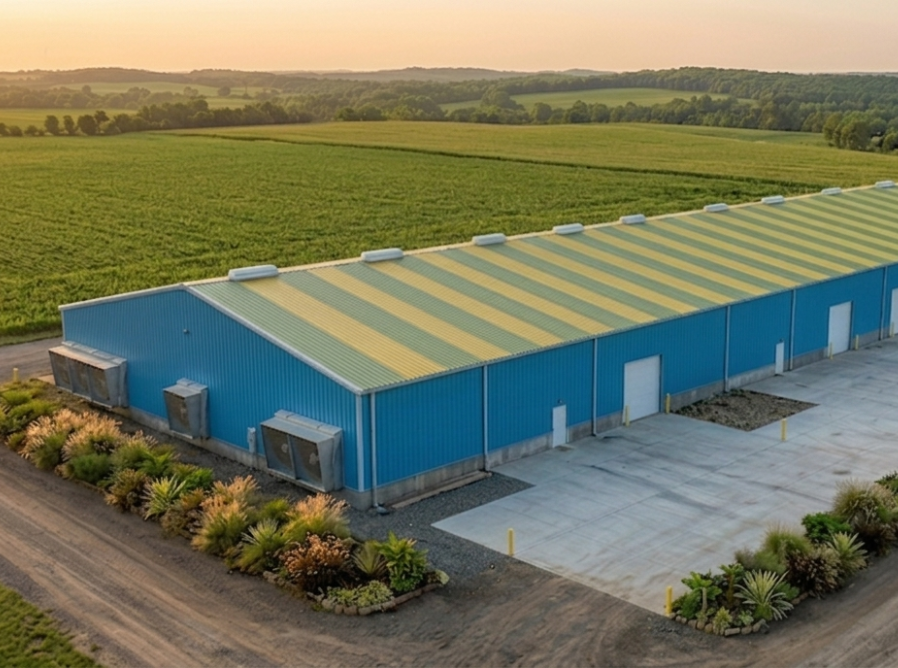
Expanding into global markets requires more than just ambition it demands an unwavering commitment to quality and continuous innovation. Companies that consistently

Automated farming systems are rapidly transforming agriculture into a smarter, more efficient, and highly sustainable industry. With the integration of advanced technologies like Artificial Intelligence, IoT, robotics, and data analytics, farms are no longer dependent solely on manual labor—they are evolving into intelligent ecosystems that can monitor, analyze, and respond in real time.
Modern farms are increasingly adopting automation to optimize every stage of production. Sensors track soil moisture, temperature, and crop health, while automated irrigation systems ensure precise water usage. Drones and AI-powered tools help farmers monitor large areas quickly, reducing time and effort while improving accuracy.
Automation significantly boosts productivity by reducing human error and ensuring consistent operations. Automated feeding systems, climate-controlled environments, and smart ventilation solutions—especially in poultry and livestock farming—help maintain ideal conditions for growth. This results in better yield quality and higher output.
One of the biggest advantages of automated farming is its contribution to sustainability. Smart systems use only the required amount of water, energy, and feed, minimizing waste. By reducing overuse of resources and optimizing production, automated farming supports environmentally responsible practices.
Data is at the heart of automated farming. Farmers can access real-time insights through connected systems, allowing them to make informed decisions quickly. Predictive analytics helps identify potential issues before they arise, reducing risks and improving crop and livestock health.
In poultry farming, automation plays a critical role in maintaining hygiene, temperature control, and feeding schedules. Automated systems ensure consistent conditions, leading to healthier birds and improved production efficiency. This is particularly important for large-scale operations where manual management becomes challenging.
While automated farming offers numerous benefits, challenges such as high initial investment, technical expertise, and system maintenance still exist. However, as technology becomes more accessible and affordable, adoption is expected to grow rapidly.
Looking ahead, the future of automated farming systems lies in full integration—where machines, data, and human expertise work together seamlessly. Farms will become more intelligent, sustainable, and scalable, meeting the growing global demand for food while preserving natural resources.
Expanding into global markets requires more than just ambition it demands an unwavering commitment to quality and continuous innovation. Companies that consistently
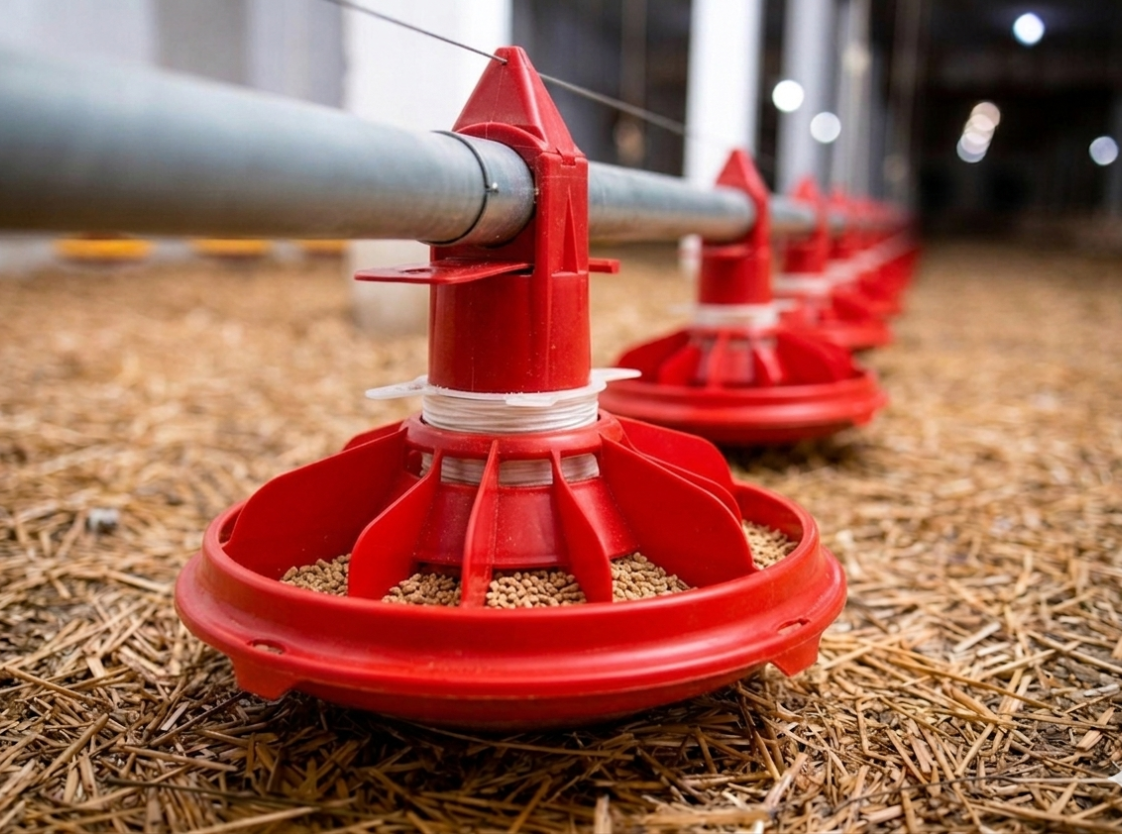
Importance of Environmental Control Systems in Modern Infrastructure In today’s rapidly evolving industrial and commercial landscape, environmental control systems have become a
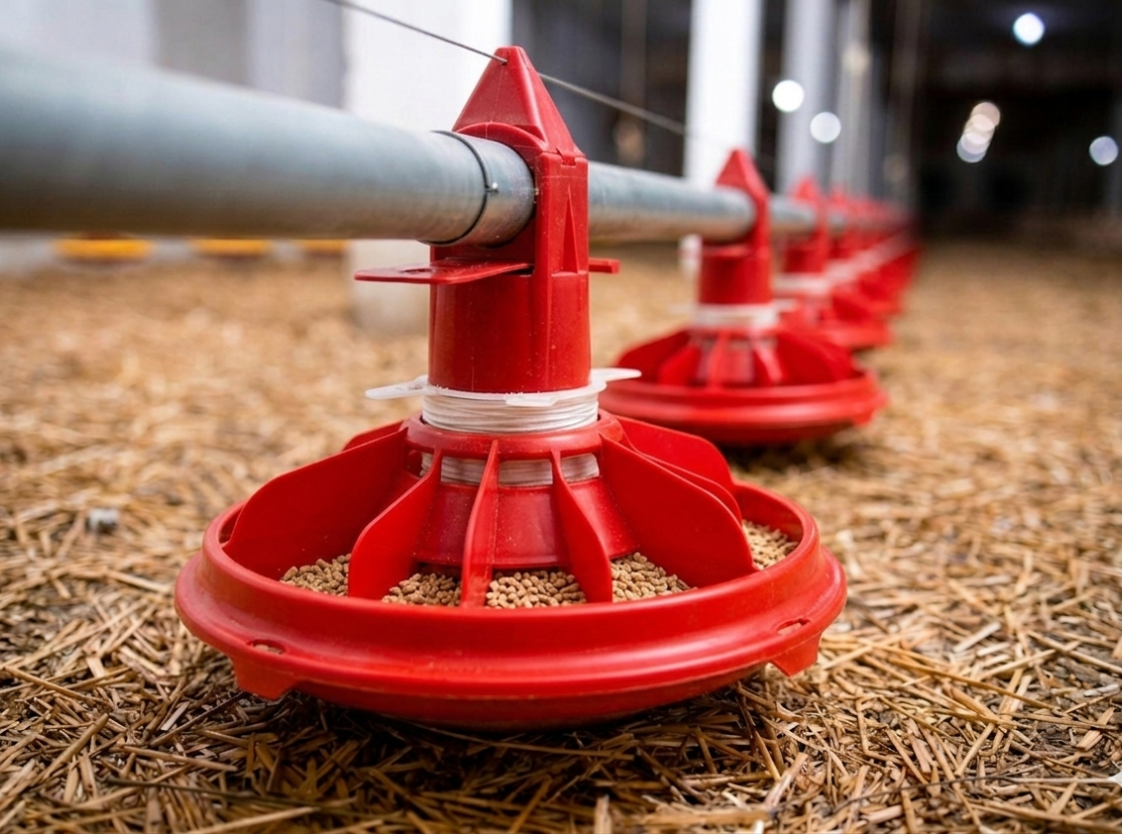
The Future of Automated Farming Systems Automated farming systems are rapidly transforming agriculture into a smarter, more efficient, and highly sustainable industry.